7 Things a 14,782 Hour Solo Brings to Official Rust
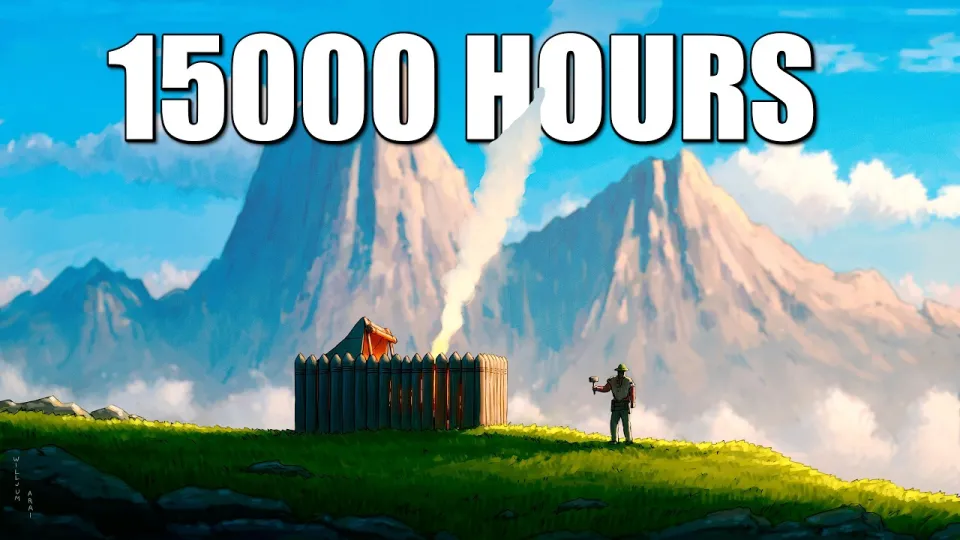
Video: How a solo with 14,782 Hours plays official rust...
Want articles like this for your own video to promote it on YouTube and Google? Order them through the Telegram bot @sat_sit_bot. It writes articles around your video, embeds the video and publishes them on popular niche websites (no ads). Try it free: 50 articles on us.
· based on the channel Willjum
Key takeaways
- Willjum's account shows 14,782 hours of Rust, roughly 1,180 hours a year if spread across 12.5 years of play.
- The run is a solo wipe on official Rust servers, where group size and raid pressure are unforgiving.
- The base build in the video comes from the creator Luca Builds.
- Willjum's own server network includes solo-only Thursdays on willjum.eu (EU) and willjum.us (NA).
- A 15% discount plus free shipping on Manscaped's Beard Hedger Plus is available with code WILLJUM15 at manscaped.com/willjum.
Rust rewards hours more than almost any other survival game, and a solo with 14,782 hours plays official servers by turning that experience into routine: a small, cheap base, a strict scrap budget, short farming loops and fights only when the odds are already tilted. The result is not flashy mechanical skill but a wipe that keeps running long after most solos have been raided off the map. Viewers who want the grooming sponsor offer from the video can grab 15% off plus free shipping at Manscaped with code WILLJUM15.
What 14,782 hours actually means in Rust
The number is the headline, and it is worth doing the math. Spread over roughly 12.5 years of playing, 14,782 hours works out to about 1,180 hours a year, which is more than most part-time jobs. Compressed into the years since Rust left early access, it climbs toward 1,800–1,850 hours annually — close to full-time employment.
What that buys is not aim. It buys pattern recognition:
- Knowing which monuments are worth a green card run at a given population level.
- Knowing how long a wipe usually stays alive before raid costs drop and groups start hunting small bases.
- Knowing which sounds mean a raid is starting and which mean a neighbor is just farming.
- Knowing when to log off with loot instead of pushing one more fight.
A solo on official servers has no one to cover a mistake, so the real skill is avoiding situations where a mistake is possible.
How an experienced solo survives on official servers
Official Rust is the least forgiving environment in the game: no wipe schedule to plan around, no boosted rates, and groups that can field more gear than any solo can craft. The survival formula an experienced player uses looks boring on paper and works in practice.
- Base first, loot second. A cheap, compact base with an airlock goes up before any serious farming. Losing a 2x2 costs little; losing a day of components hurts.
- Spread the risk. Splitting loot across small stashes and secondary bases means a single raid does not end the wipe.
- Farm in short loops. Two or three quick runs around the base beat one long trip that ends with a full inventory and a crossbow in the back.
- Trade time for information. Listening for footsteps, watching roads and counting players at a monument tells a solo more than any weapon.
- Accept the losses. Every solo loses kits; the ones who last are the ones who re-gear without tilting.
Base building: small footprint, cheap upkeep
The base in the video is credited to the builder Luca Builds, and the choice of a compact design is not an accident. On official servers, a base that looks expensive becomes a target; a base that looks like a starter build gets ignored until it is too late.
Key principles for a solo build:
- Keep the footprint small enough that a single player can honeycomb it alone.
- Prioritize an airlock and at least one decoy door over extra loot rooms.
- Use a mannequin or a lit window to draw attention away from the real entrance — a trick viewers noticed in the video.
- Keep upkeep affordable so the base survives a day off.
- Build near a monument you can reach on foot in under a minute, but not on the main road.
Scrap discipline and the gear trap
Scrap is the real currency of a Rust wipe, and experienced solos treat it like a budget. A common joke among viewers is that a player who says they do not spend scrap on weapons is still crafting their twenty-eighth nail gun of the wipe — because the scrap goes into workbenches, research and blueprints instead.
The practical rules:
- Workbench before weapons. A tier 2 bench unlocks the tools that make every later fight winnable.
- Research what you will actually use. Blueprints for a gun you cannot afford to craft are wasted scrap.
- Sell at bandit camp carefully. Trading scrap for low-grade fuel or components is often better than gambling on a weapon.
- Keep a reserve. Twenty-five to fifty scrap in a stash pays for an emergency respawn kit.
PvP decisions that keep a solo alive
The fights in a long solo wipe are chosen, not stumbled into. An experienced player will third-party a fight between two groups, take the loot and leave, rather than duel a full-kit player head-on. That is why comments pushing back on the "peaceful farmer" framing are fair: surviving 14,782 hours requires knowing exactly when to be aggressive.
A few decision rules that show up repeatedly in high-hour solo play:
- Fight only when you have the information advantage — you saw them first.
- Never chase into open ground without a fallback base nearby.
- Use elevation, doors and cover instead of raw aim.
- Disengage the moment a second opponent appears.
- Treat every kill as a timer: loot fast, move faster.
Typical questions from viewers of the run
Long solo videos always raise the same doubts, and they are worth addressing directly.
- Is 14,782 hours realistic? Yes, if the account has been played since early access; it also includes idle time, which inflates the figure for many veterans.
- Can a new player copy this? The habits transfer, the pace does not. A new solo should copy the base discipline and scrap budget, not the aggression.
- Why play official instead of modded? Official servers provide the unboosted economy and population pressure that make every decision matter; modded servers are faster but teach different lessons.
- Do you need PvP skill? Less than expected. Positioning, sound and timing win more fights at this level than flick shots.
Links from the video
- Manscaped offer (code WILLJUM15): https://manscaped.com/willjum
- Willjum on Patreon: https://www.patreon.com/Willjum
- Willjum on Twitch: https://www.twitch.tv/willjum
- Willjum on Twitter: https://twitter.com/willjum1
- Creative Commons Attribution 4.0 license referenced in the video: http://creativecommons.org/licenses/by/4.0/
- Server info and community: discord.gg/willjum (EU solo-only Thursdays at willjum.eu, NA at willjum.us)
Conclusion
A 14,782 hour solo wipe on official Rust is less about reflexes than about discipline: a cheap base, a scrap budget, short farming loops and fights that are only taken when the odds are already favorable. The video breakdown by Willjum shows how those habits compound over a wipe, and why the "peaceful farmer" framing hides a player who knows exactly when to commit. If the grooming segment caught your attention, the same offer is live at manscaped.com/willjum with code WILLJUM15 for 15% off and free shipping.
Questions & answers
How many hours does the solo in the video have in Rust?
The account shows 14,782 hours. Spread across roughly 12.5 years that is about 1,180 hours a year, and closer to 1,800–1,850 hours annually if counted only from Rust's full release. Part of that total is idle time with the game running.
Is it possible to survive a solo wipe on official Rust servers?
Yes, but it depends on discipline rather than gear. Small cheap bases, split loot, short farming loops and avoiding fights without an information advantage are what keep a solo alive on official servers, where groups can out-craft any individual player.
Do you need strong PvP aim to play like this?
Not as much as viewers assume. High-hour solos win through positioning, sound cues and timing — third-partying fights, using cover and disengaging when a second opponent appears — rather than through raw aim duels against full kits.
Why play official servers instead of modded or boosted ones?
Official servers keep the economy unboosted and the population pressure real, so every scrap decision and every fight matters. Modded servers progress faster but teach different habits, which is why long-form solo content usually comes from official wipes.
Source: How a solo with 14,782 Hours plays official rust... · Markdown version